


EFFECTIVE GOVERNMENT STARTS WITH REAL COMMUNITY ENGAGEMENT
Data Centers, Transparency, & Building Trust
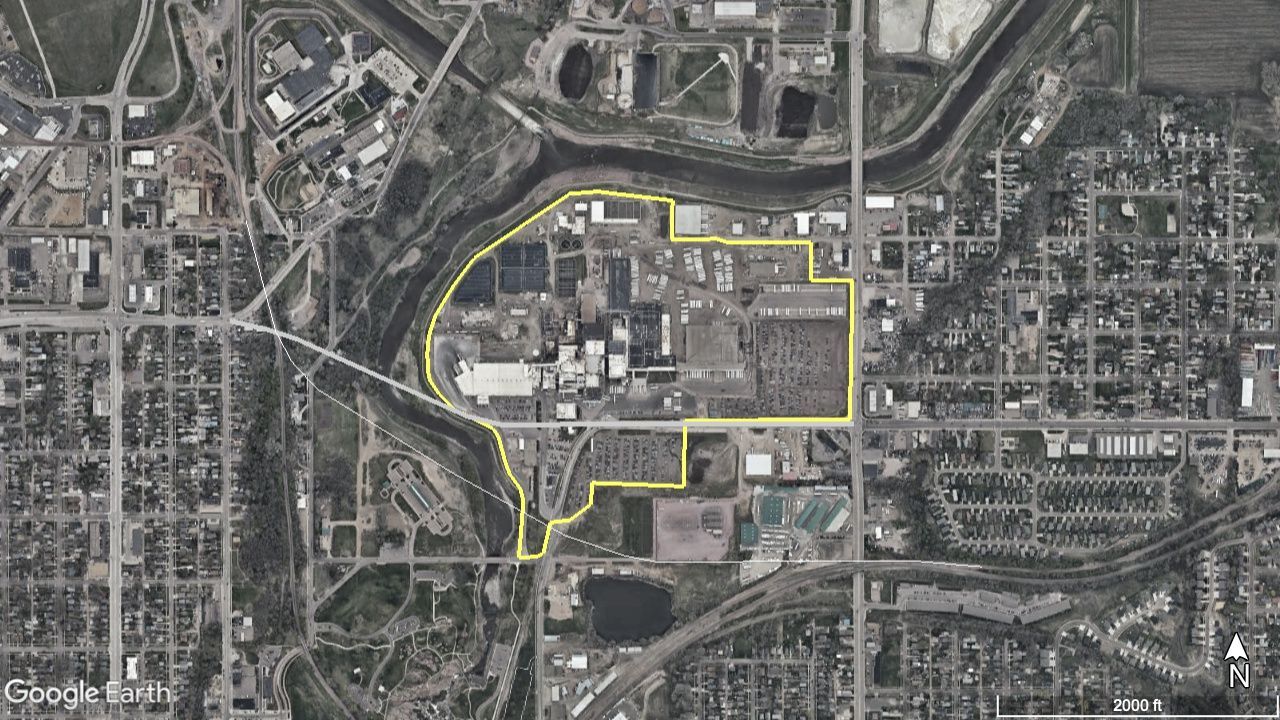
Last week, the City Council met to vote on rezoning land for a proposed hyperscale data center. The discussion raised many concerns—water use, energy demand, climate change, and even how artificial intelligence may shape our future. Emotions ran high. Most residents who spoke were against the project. In the end, the City Council voted unanimously to approve it.
Many people left that meeting wondering: Why would the City Council vote yes?
The answer is important—and easily misunderstood. What the Council voted on was not the data center itself, but a rezoning request. By law, rezoning decisions must meet specific criteria. Council members are limited to those rules when they vote. Many speakers shared valid concerns about the project, but few addressed whether the proposal met the standards needed to deny it.
For residents who opposed the project, the result felt frustrating and dismissive. When people believe their voices don’t count, trust in government starts to break down—even when officials are following the rules they are given.
we have an engagement problem
This points to a bigger issue: engagement.
I think of public engagement like a ladder. Every rung matters. If too many rungs are missing, engagement suffers. When residents feel surprised, unheard, or shut out, it’s a sign that the system isn’t working as it should.
This isn’t an isolated incident. In the most recent community survey, residents rated inclusivity and engagement as important—but their satisfaction with it was low. I’ve heard the same concerns again and again from residents and city staff alike, on many different projects.
The complaints often sound like this:
- “How was I supposed to know this meeting was happening?”
- “I just heard about it today.”
- “Nobody shows up anymore.”
- Or worst of all: “They didn’t listen to anything I said.”

How do we do better?
So the question becomes:
How do we do better?
And not just better—but well enough that other cities want to follow our lead. Here are a few ways to get there.
Start Conversations Earlier
Change is easier to manage when people are brought in early. The idea of a hyperscale data center was first mentioned at a City Council meeting months ago. That window could have been used to explain what these facilities are, what impacts they can have, and what choices the city might face.
City planning staff could have presented this information to the Planning Commission and the public before any rezoning request was filed. That would have given residents time to learn, ask questions, and share concerns—before a formal vote was on the table.
Host Monthly City Forums
The City of Sioux Falls could host monthly forums focused on major community issues. These would not be votes or hearings, but conversations.
Each forum could feature experts and advocates from different sides of an issue. A moderator would guide the discussion, take audience questions, and keep things civil. At the end, attendees could share what they found most convincing.
These forums would be low-pressure, informative, and perhaps even entertaining. Most importantly, they would help residents and public officials learn together—before decisions are locked in.
Neighborhood Empowerment Lab
Neighborhoods shouldn’t just react to change—they should help shape it.
The Neighborhood Empowerment Lab would work directly with neighborhood associations to plan for the future. Staff and facilitators would help residents identify what makes their area unique, what parts should be preserved, and where change makes sense.
This kind of work helps address concerns early, instead of waiting until a new development proposal appears. When people help shape a plan, they are more likely to trust the outcome.
Hire a Public Information Officer
We live in a crowded and confusing media environment. Important information gets missed, misunderstood, or shared inconsistently.
A dedicated Public Information Officer would help fix that. Their job would be to clearly explain city issues, share information across multiple platforms, and make it easy for residents to know how—and when—to get involved.
Good communication builds trust. It also leaves no doubt about where to find information or how to participate.
why I’m running for mayor
Good government doesn’t just make decisions. It brings people along.
When engagement is clear, early, and meaningful, trust grows—and our community is stronger for it.
City Hall should never feel distant, confusing, or closed off. People deserve to know what’s happening, why decisions are made, and how to be part of them—before it’s too late.
As mayor, I’ll insist on earlier conversations, clearer communication, and real public engagement that doesn’t check a box but actually listens. When residents are brought in early, trust grows and better decisions follow.
Strong cities are built with people, not in their absence.That’s the kind of leadership Sioux Falls deserves—and the future I’m working to deliver as your next mayor.