

Redeveloping Smithfield: A Once-in-a-Lifetime Opportunity
Every city gets defining moments.
Ours is here.
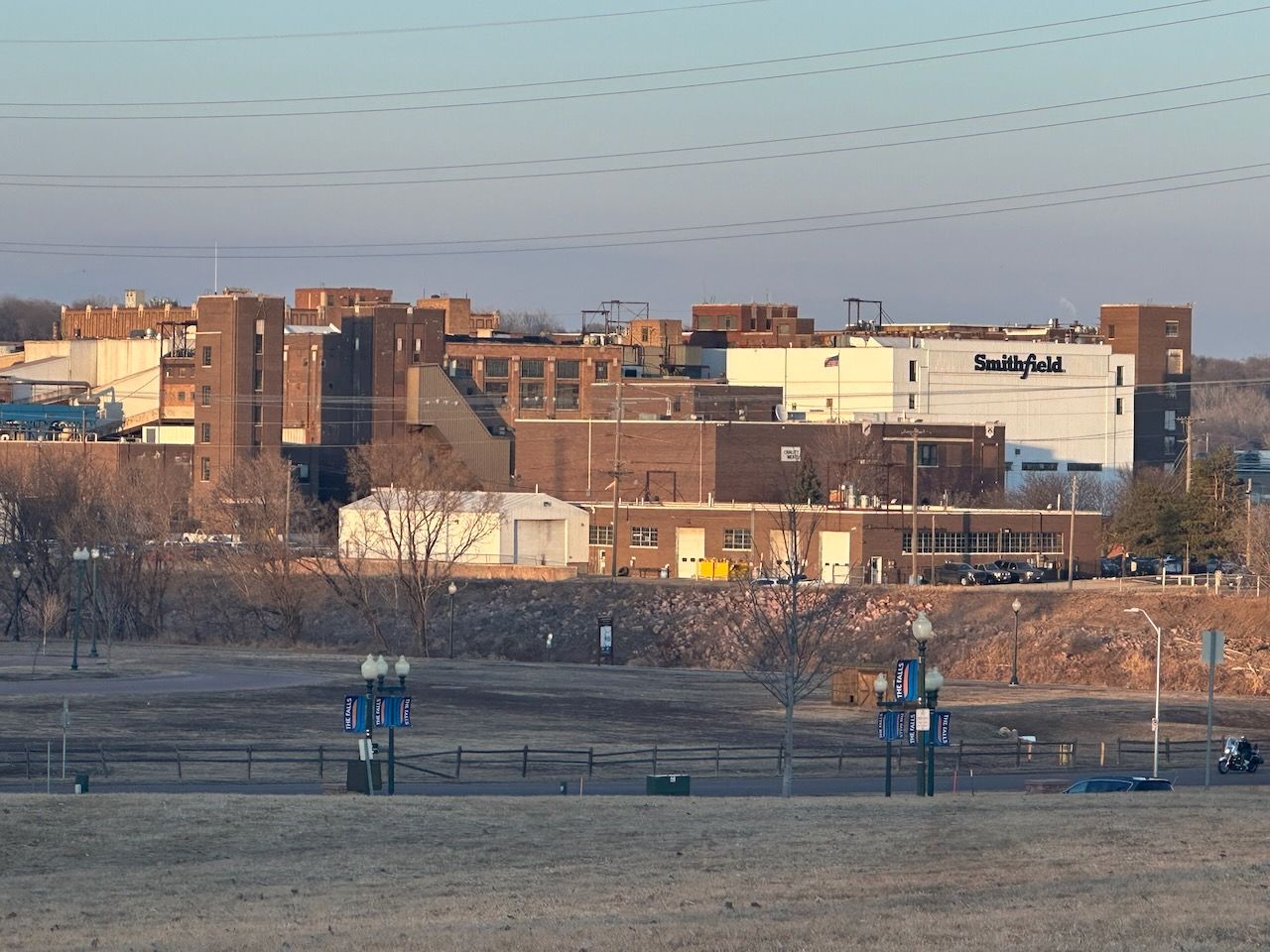
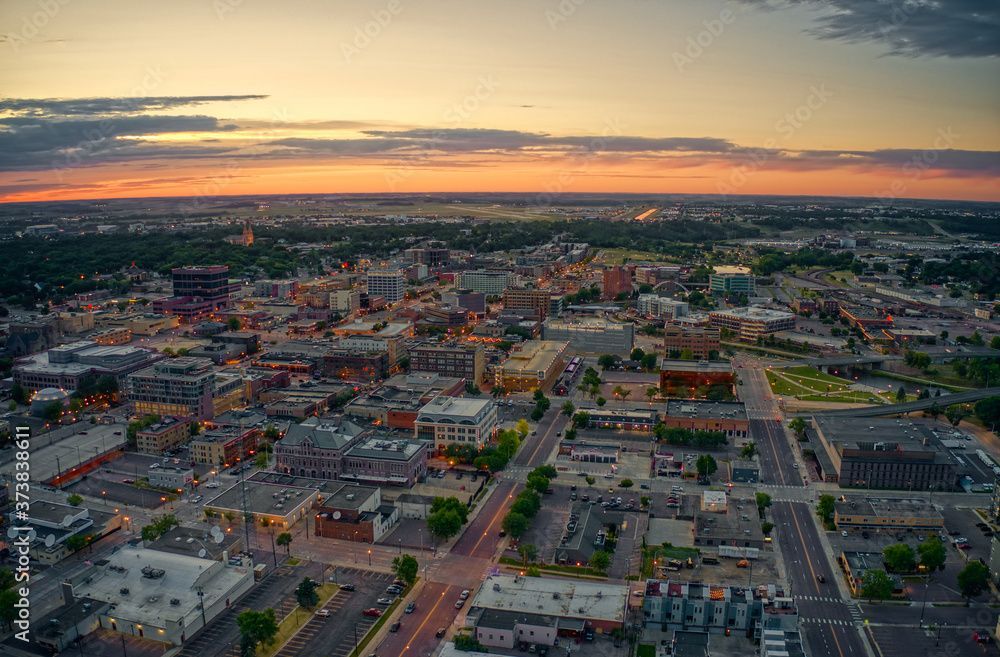
Sioux Falls is standing on 120 acres of possibility. What happens next will shape Sioux Falls for generations to come.
For 117 years, the Smithfield meatpacking plant has helped drive our economy and shape our city. It provided jobs and helped power Sioux Falls’ growth. Now, Smithfield plans to move to a new facility and leave behind an important piece of land.
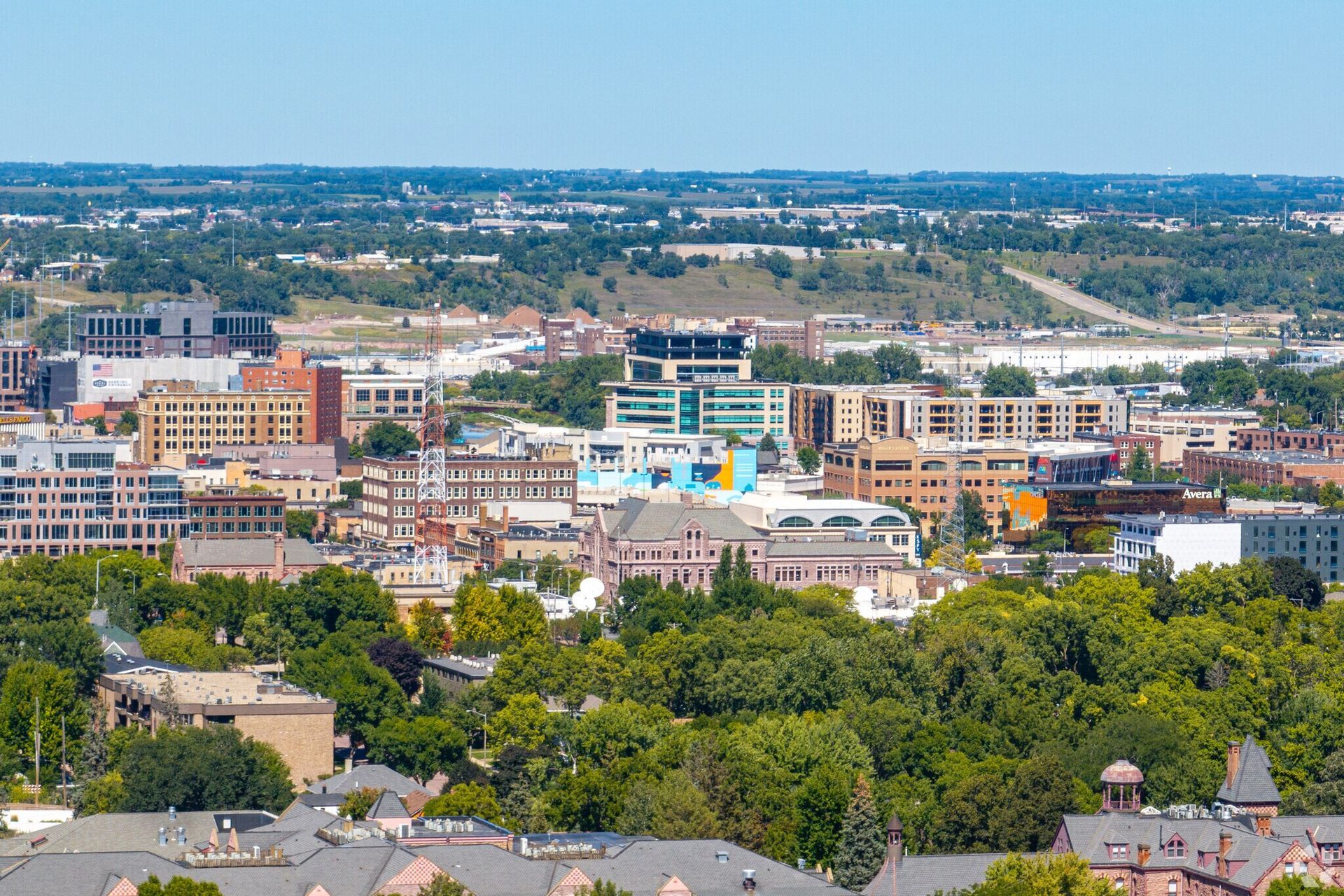
This site sits along the river, right next to downtown, close to neighborhoods, and connected to major roads. It’s the kind of location most cities only dream about. For a century, it’s been closed off. Now, we get to decide what it becomes.
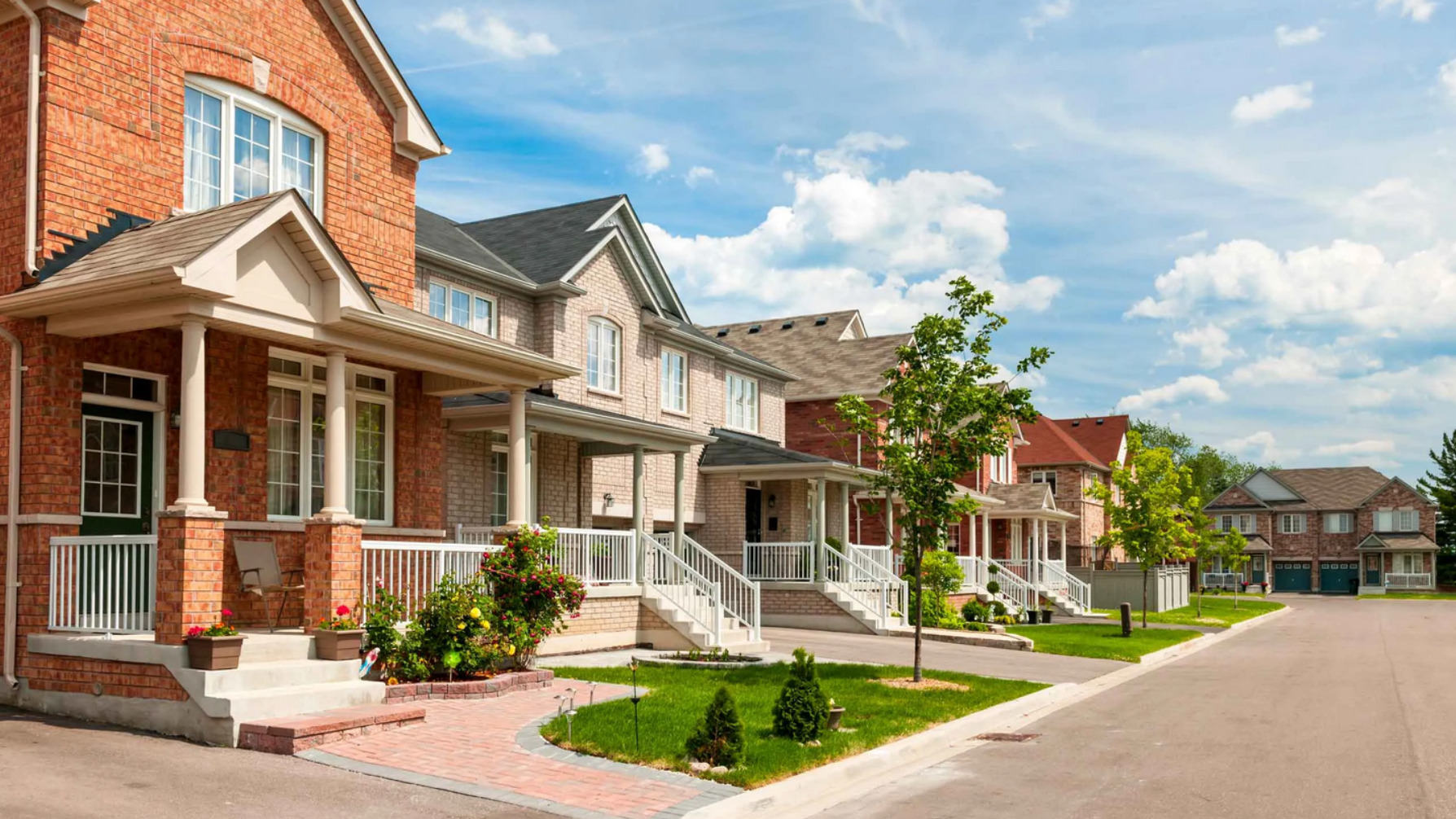
Imagine this industrial site becoming a thriving neighborhood. Imagine a place where people can live, work, and gather. Imagine a neighborhood that makes Sioux Falls a stronger, more connected and resilient city.
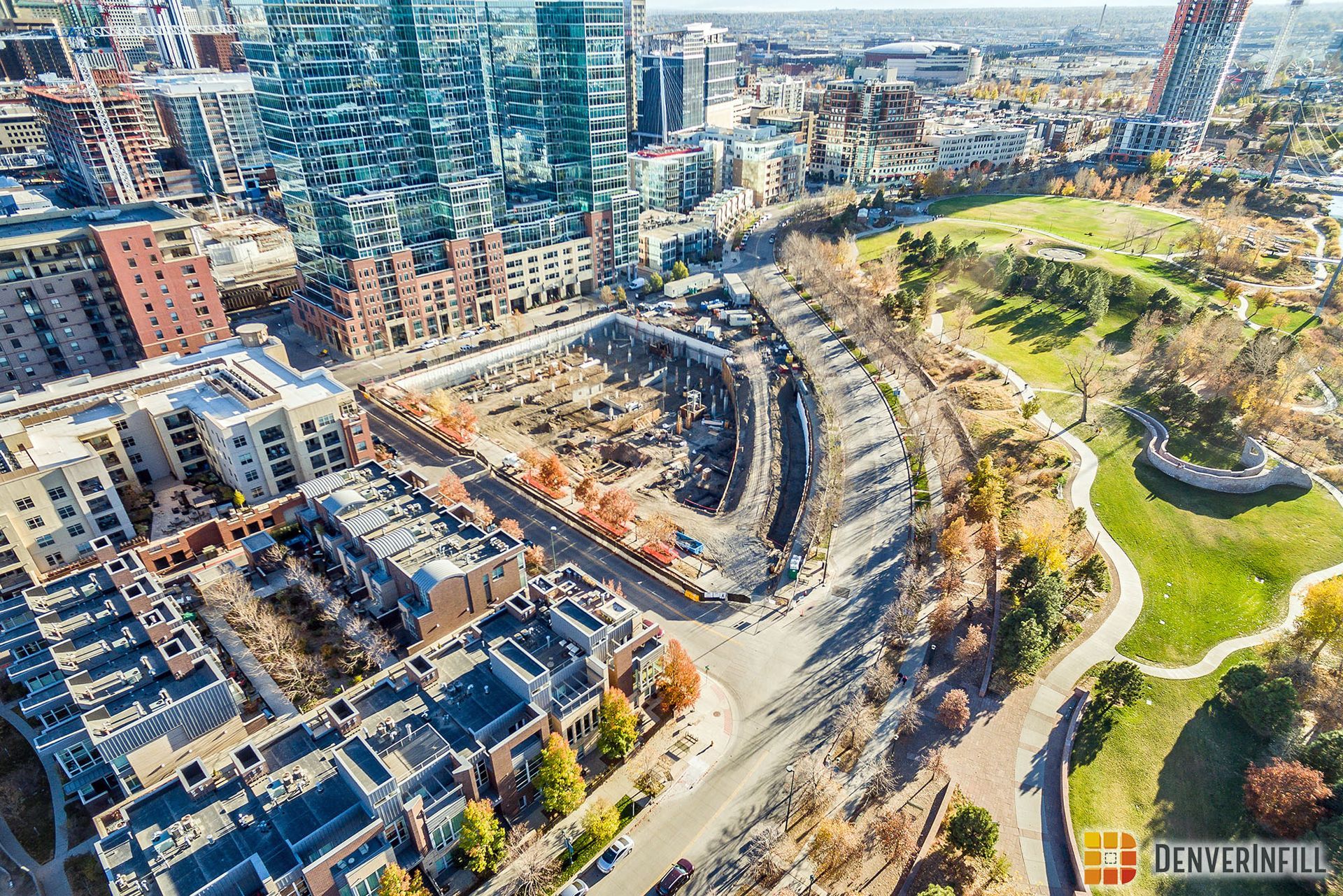
Across the country, cities have faced moments like this. Some rushed decisions and ended up with isolated projects that never lived up to the promise. Others took the long view and built neighborhoods that lifted the entire city.
For cities that took the long view, leaders stepped up early. They treated environmental cleanup as a public responsibility. Streets and public spaces came first. Development happened in phases, with multiple partners. Most importantly, these areas were designed to connect to the city—not sit apart from it.
Today, those former brownfield sites are places where people live, work, shop, eat, and connect year-round.
Sioux Falls now stands at the same crossroads.
I’ve seen firsthand how decisions like this can either unlock a city’s potential—or limit it for decades. The Smithfield site gives us a rare moment to expand downtown, address our housing gap, and guide growth in a way that reflects who we are—and who we want to be. That outcome depends on the choices we make now
Here are the principles that should guide us forward
- Lead with engagement. Involving diverse voices early builds trust, strengthens outcomes, and creates shared ownership.
- Think long-term. This site should serve Sioux Falls for generations, not just one project or one deal.
- Clean it right. Environmental remediation must be thorough and transparent to unlock the site’s full potential.
- Build a real neighborhood. Homes, businesses, and public spaces—places where people actually want to spend time.
- Use big anchors wisely. A stadium or convention center can work, but only if it’s part of a walkable district that’s active every day.
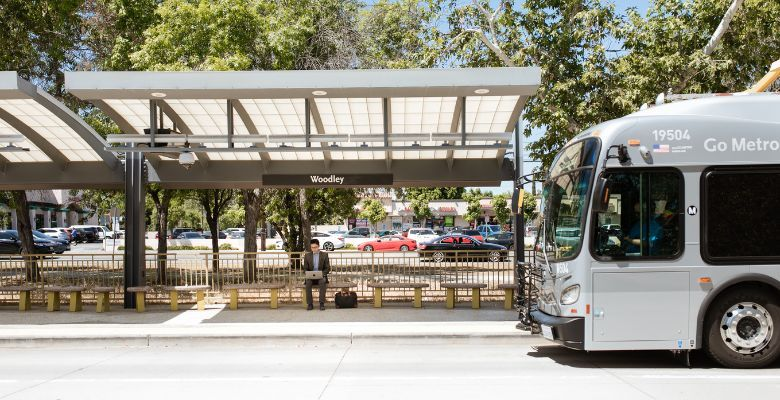
- Connect it to the city. Streets, sidewalks, trails, and transit must link the site to downtown and nearby neighborhoods.
- Build in phases. Large sites work best when they grow over time with a mix of local and regional partners.
- Align economic development tools. Incentives should serve the public interest and create a force-multiplier effect.
- Tie dollars to results. Public investment should deliver clear public benefits like housing, jobs, and quality parks.
- Leverage what is unique. A new Rice Street–to–Russell Avenue connection could ease traffic on 10th and 11th Streets and benefit the entire city.
We don’t need to copy what other cities have done. Sioux Falls has its own unique character and strengths. But the framework holds.
Smithfield should not be rushed or treated as a simple real estate transaction. It deserves discipline, patience, and leadership that extends well beyond the groundbreaking.
If we approach this defining moment with intention, Smithfield can become the next great neighborhood in our city—one that reflects who we are and where we’re headed. It can help firmly establish Sioux Falls as the opportunity capital of the Northern Plains: safe, affordable, and powered by strong neighborhoods where people and businesses thrive.
That future won’t be built by chance. It will be built by leaders who understand how cities grow—and who are committed to doing this work with care, clarity, and in service to the public interest.
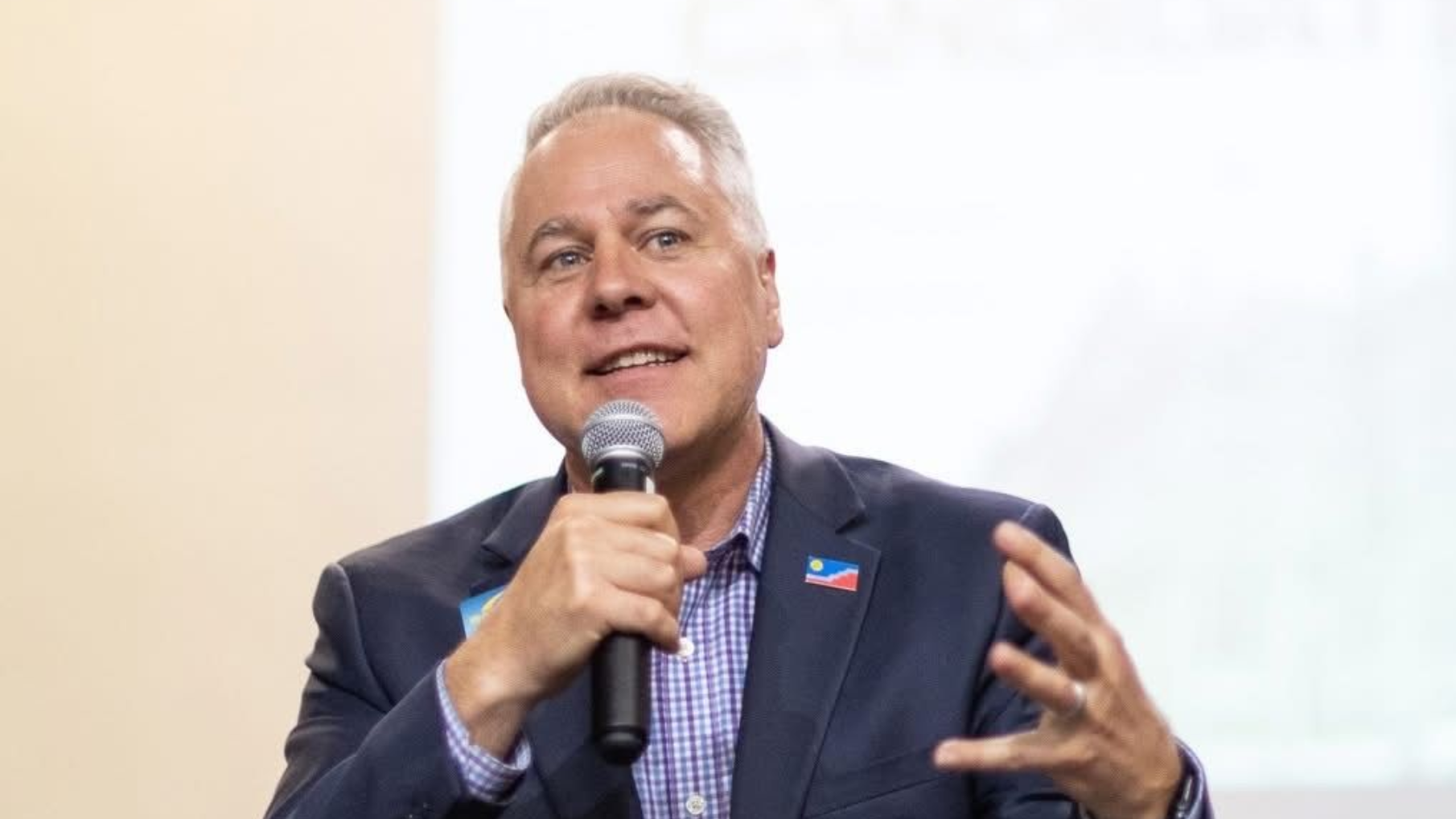
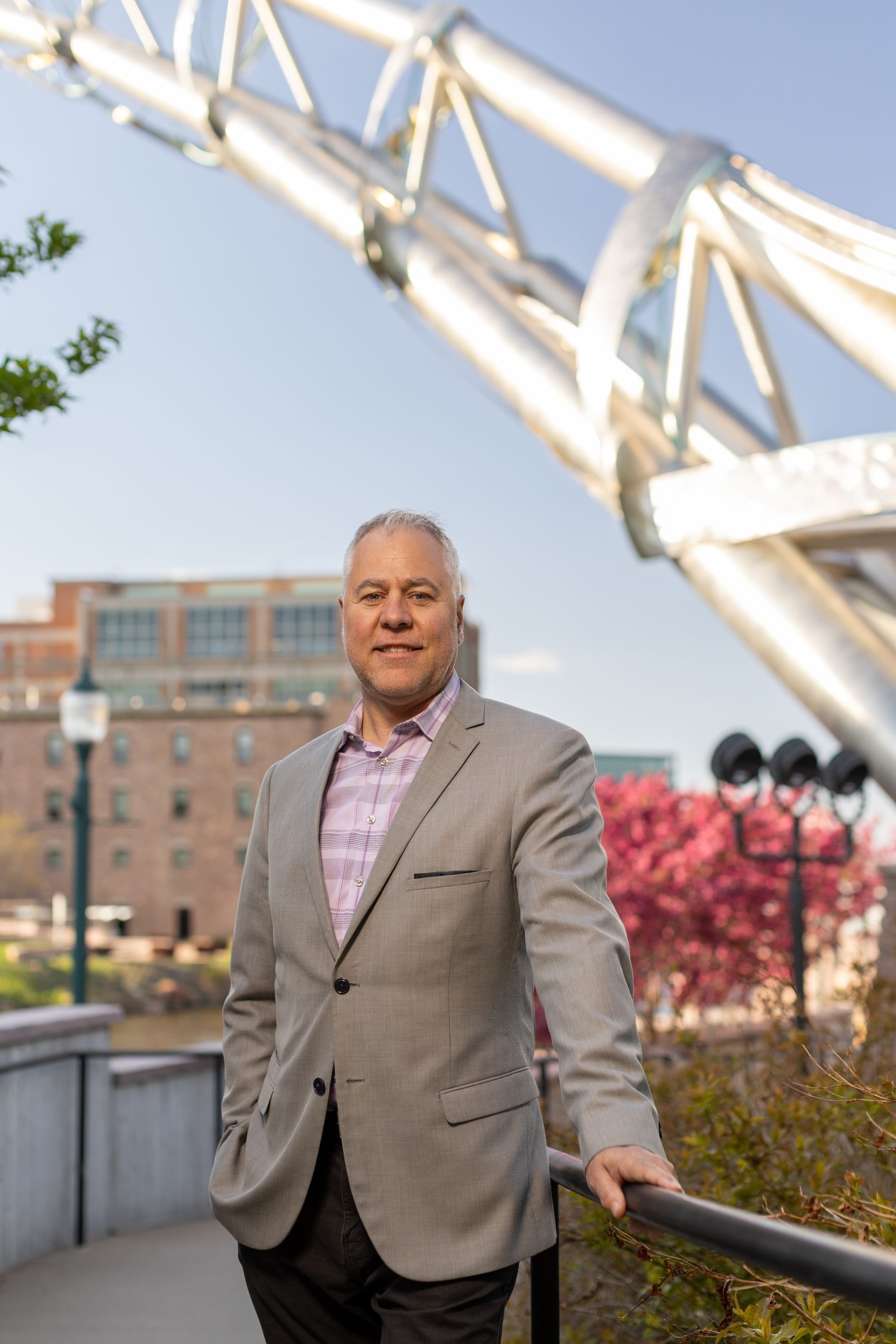
With a master’s degree in urban planning and experience leading Downtown Sioux Falls through one of its most prosperous decades, I understand how transformational decisions like this shape cities. I have seen and studied what has worked in other cities and what has not. I know what it takes to deliver results that last.
I’m ready to bring that discipline, experience, and long-term perspective to City Hall as Sioux Falls’ next mayor—and lead this work in a way that strengthens Sioux Falls for generations to come.