

PLANNING FOR A BETTER TOMORROW
Today's decisions will shape Sioux Falls for generations
At the
first mayoral forum, several key issues emerged that will define our future:
- Managing the cost of suburban growth
- Zoning reform to support housing and infill
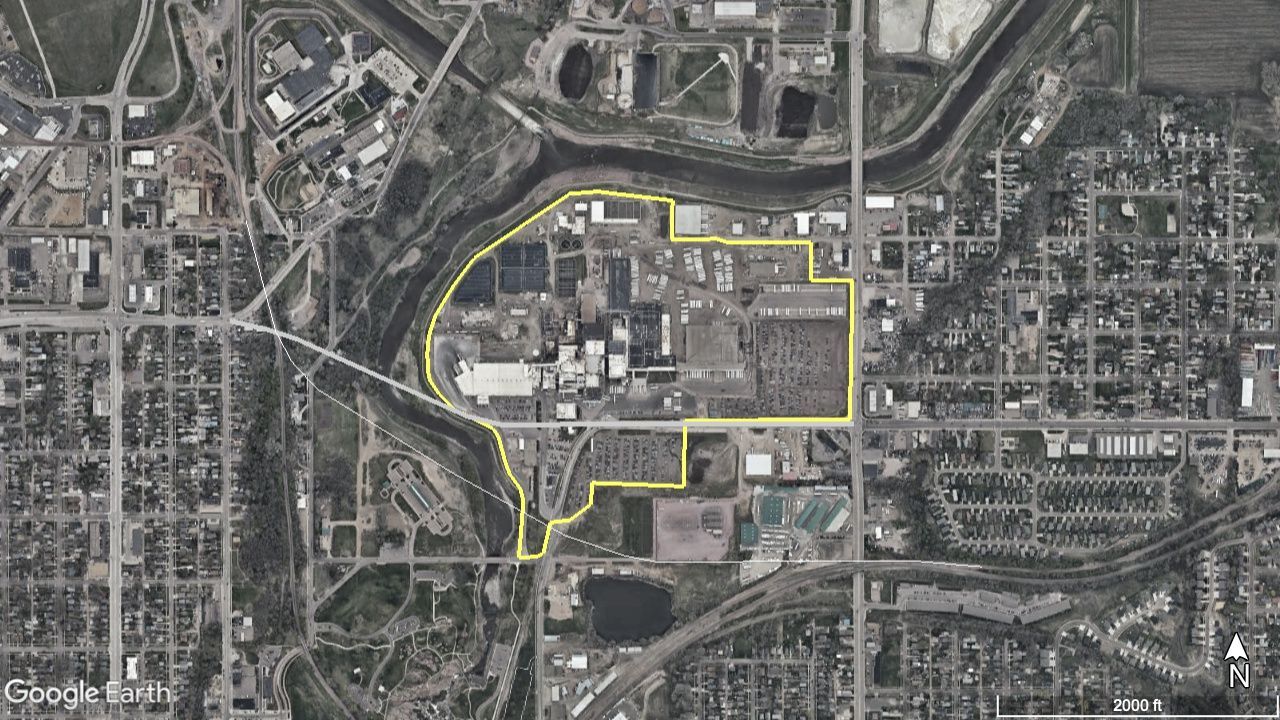
- Redevelopment of the Smithfield site
- Improving community engagement
- Hiring a new Planning Director
These aren’t abstract policy debates. They directly impact housing affordability, taxes, infrastructure costs, and quality of life.
And they’re not the whole picture.
Recent City Council meetings have made something else clear: residents are increasingly concerned about large-scale industrial development at the edge of the city, especially when it affects neighboring communities. That points to a broader challenge: Sioux Falls cannot plan for its future alone.
Getting the next decade of growth right will determine whether we remain an affordable, high-quality place to live, or become strained by our own success.
It starts with a clear approach.
Smart Growth: More Than a Buzzword
“Smart Growth” is increasingly mentioned, often with little context or understanding of what it actually means. It deserves a clear definition.
At its core, Smart Growth is about aligning development with long-term value for residents, property owners, and neighborhoods. It’s a framework for making growth more efficient, predictable, and financially sustainable.
It rests on five key principles:
- Connectivity: Locate daily needs close to where people live
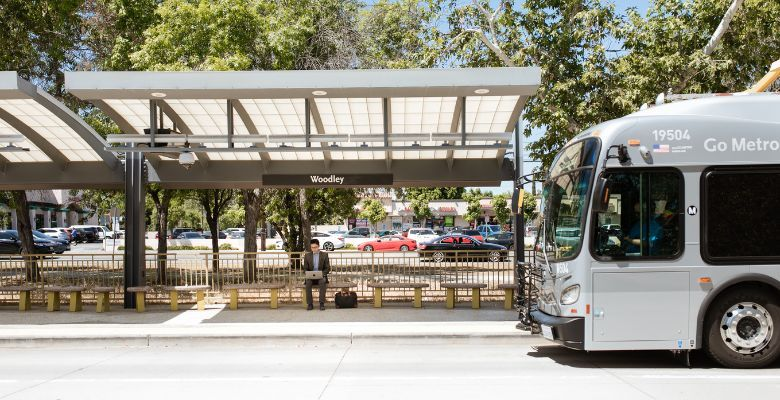
- Mobility: Provide safe, reliable transportation options for everyone
- Accessibility: Support people across all ages, incomes, and abilities
- Engagement: Involve residents in shaping their neighborhoods
- Activity: Focus growth in areas with an existing sense of place
Why does this matter? Because growth has consequences.
As highlighted during the mayoral forum, the farther Sioux Falls expands outward, the more expensive it becomes to maintain streets, utilities, and public services. Those long-term costs limit our ability to invest in quality-of-life priorities, and make it harder to deliver basic services.
Or, simply put, if you care about small government, you should care about a compact city.
So the question becomes: how do we put Smart Growth into practice?
Start with Leadership
Before policy comes leadership.
Job one for the next administration will be hiring a new Director of Planning and Development Services. The new director will need to elevate the Planning and Development Services Department, not just manage it. That requires someone who can lead reform and guide growth strategically.
The right candidate should bring:
- Experience in a growing, mid to large size city
- A track record of zoning and policy reform
- Deep knowledge of Smart Growth principles
- Experience with complex redevelopment, including brownfields
- Strong professional credentials—member of the American Institute of Certified Planners
This is a pivotal hire. The next Planning Director will shape how Sioux Falls grows for the next decade.
Just as important, Sioux Falls needs a mayor who knows how to get the necessary results out of the next planning director.
Focus on Neighborhoods
Smart Growth doesn’t just start at City Hall. Neighborhoods play a pivotal role as well.
Too often, residents only engage when a project is proposed. By then, positions are hardened and trust is limited. We need to flip that model.
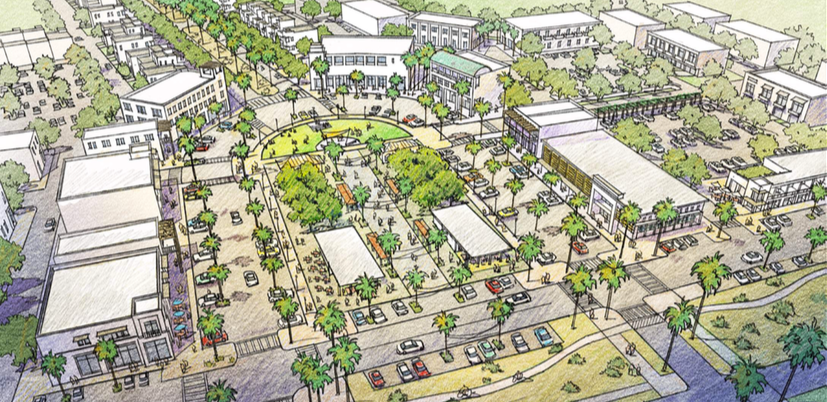
That’s why I’m proposing the Neighborhood Empowerment Lab (NEL)—a cross-disciplinary team that works directly with neighborhood associations to proactively address issues and plan for the future.
The goal is simple: help residents answer key questions before development pressures arrive.
Critical questions each neighborhood need to address include:
- Where is redevelopment appropriate?
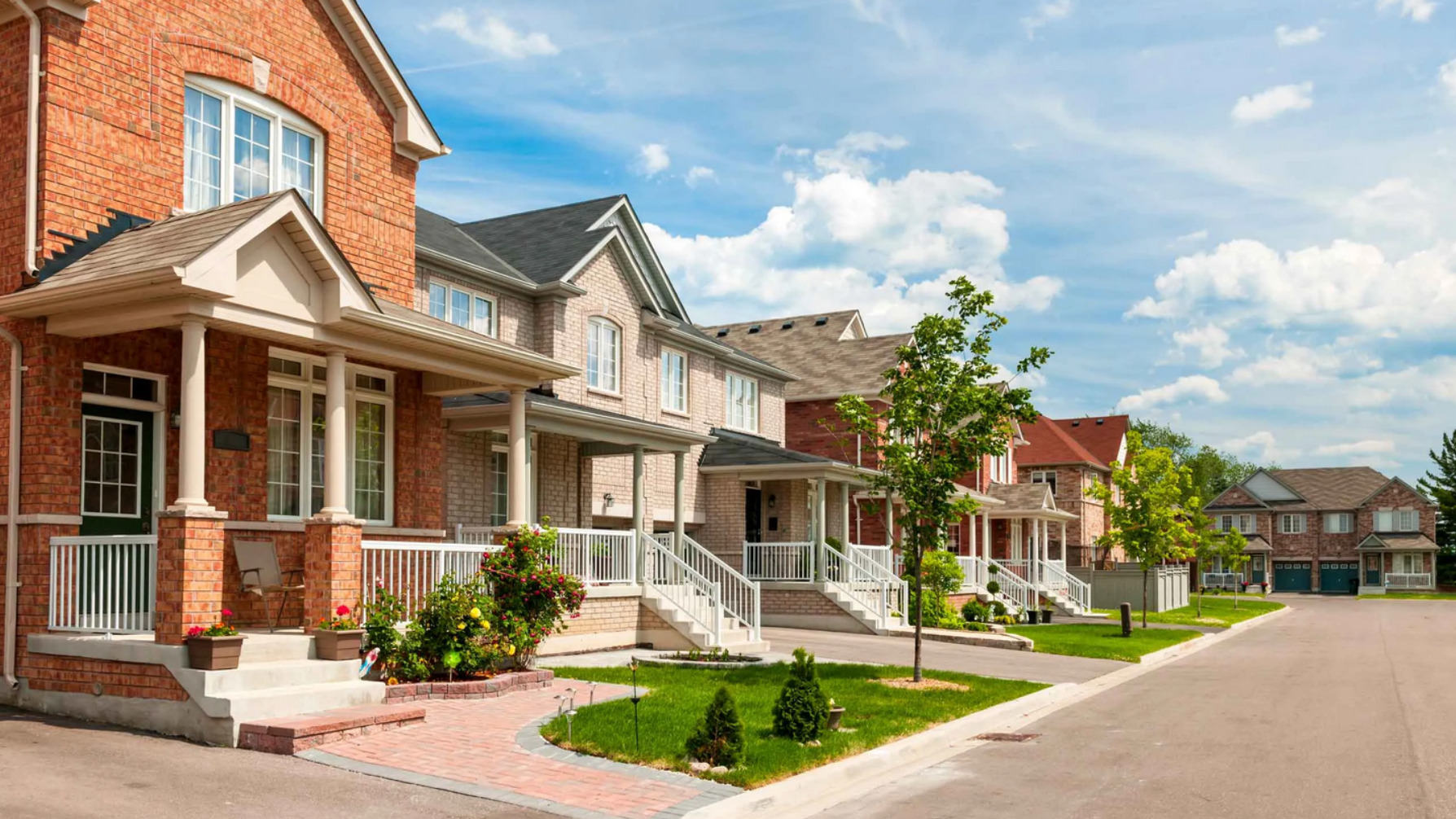
- What types of housing fit the neighborhood?
- What should be preserved, and what can evolve?
This approach builds trust, reduces conflict, and creates a shared roadmap for change.
Turning Plans into Reality: Zoning Reform
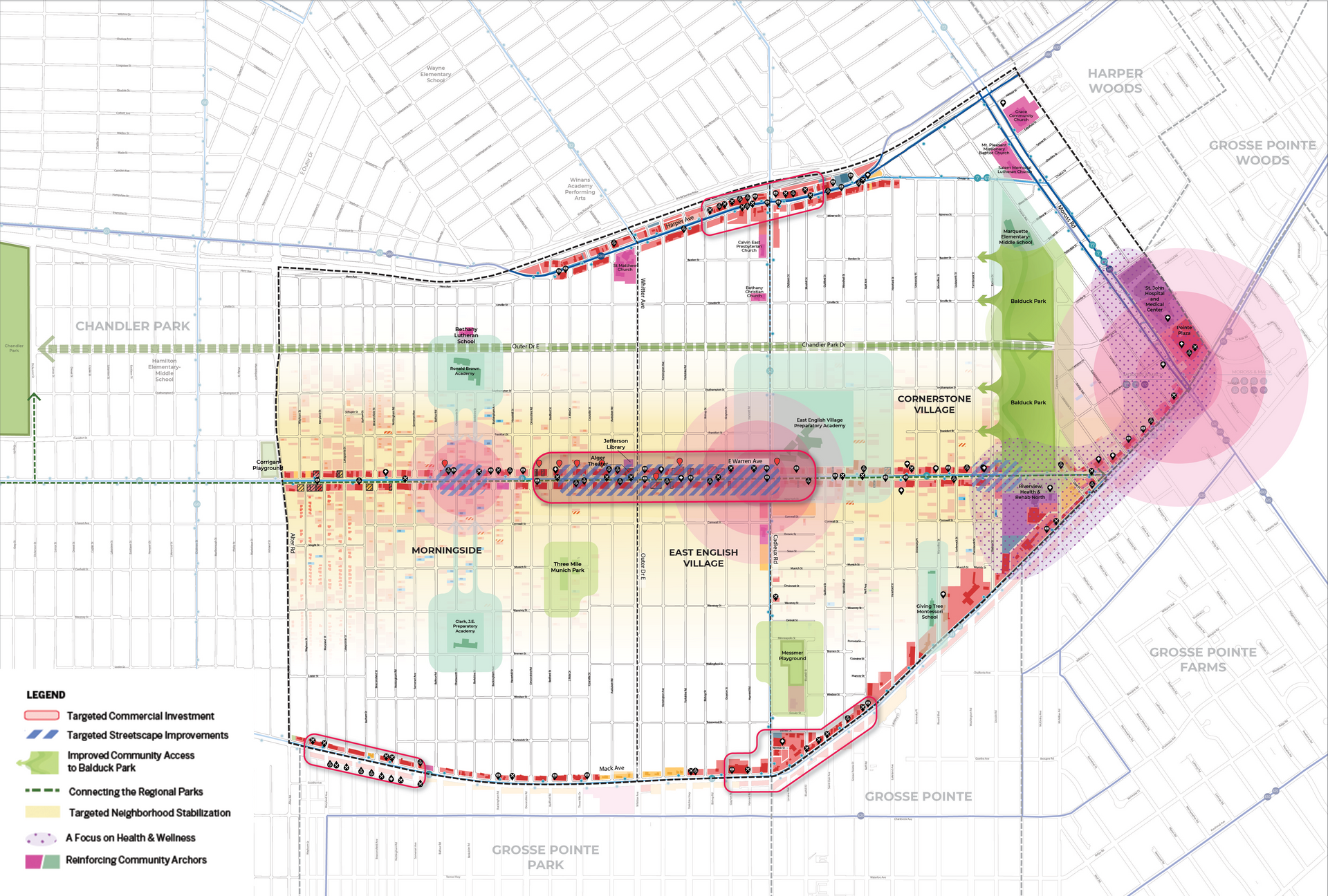
The City of Sioux Falls is good at developing plans. Plans only matter if our policies and regulations enable them to happen, however.
Once neighborhoods help define priorities, zoning updates must follow.
That means:
- Allowing more building types, including missing-middle housing
- Streamlining approvals and reducing unnecessary barriers
- Updating the land use plan and rezoning targeted areas
Without these changes, Smart Growth remains theoretical. With them, we unlock the ability to grow more efficiently and renew areas of the city residents deem important.
The Big Picture: Regional Coordination
Even the best city-level planning has limits.
Growth doesn’t stop at city boundaries and increasingly, neither do the challenges. Impacts from traffic, housing costs, water quality, and industrial development don’t follow jurisdictional boundaries.
The Sioux Falls metro already has pieces of a regional framework:
- The South Eastern Council of Governments assists smaller communities
- The Metropolitan Planning Organization coordinates transportation
- The Sioux Metro Alliance supports economic development
These organizations are purpose driven based on mandates from half a century ago. As Sioux Falls and the surrounding communities have evolved, some gaps in regional planning are becoming more apparent.
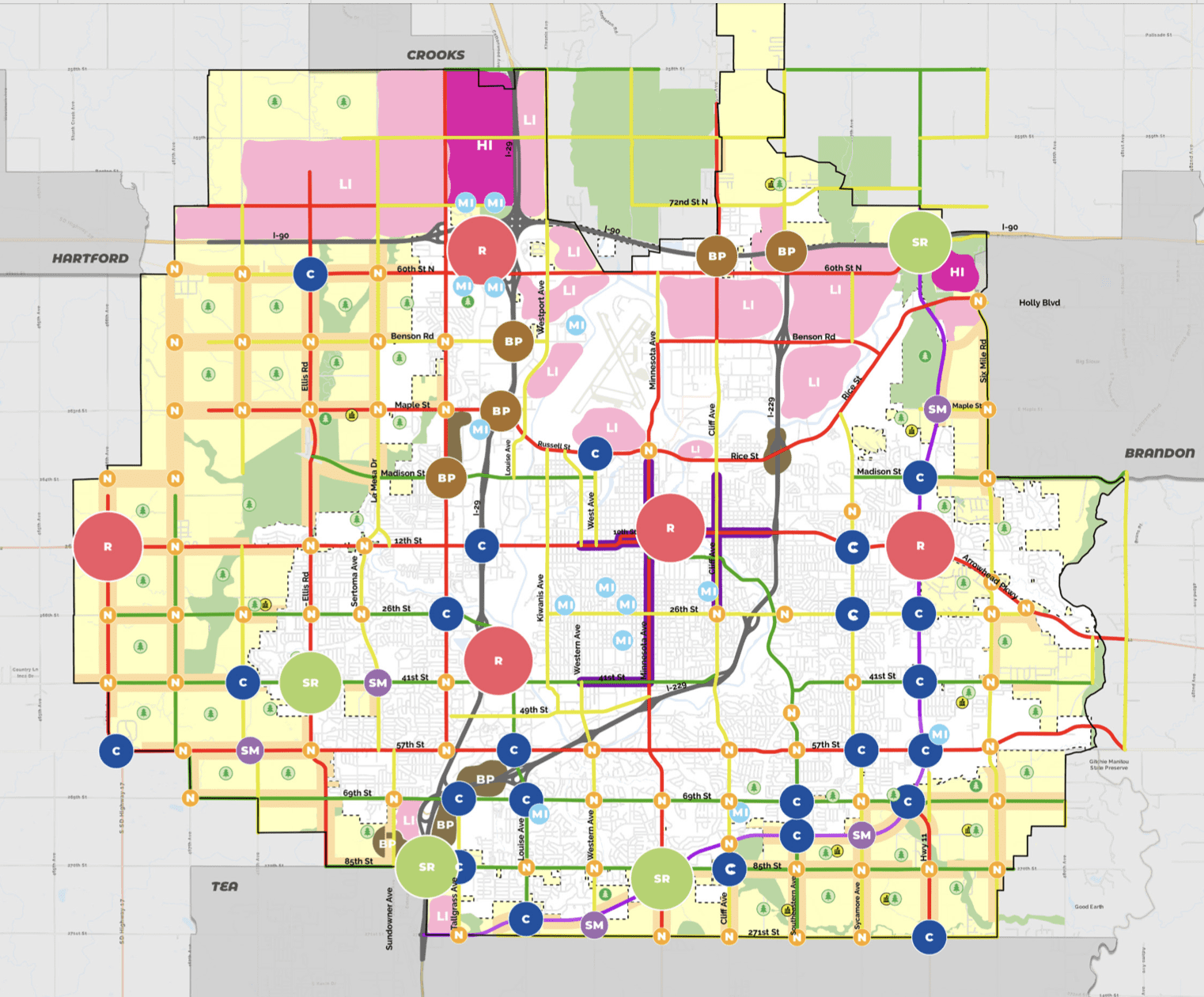
Where Coordination Is Needed
The region would benefit from greater alignment in key areas:
- Large-scale, industrial development
- Watershed and water quality
- Regional parks and trails
- Emergency services
- Suburban development
The result is predictable: conflict between communities, inefficient service delivery, and missed opportunities.
We can do better—with coordination, not more bureaucracy.
A Comprehensive Regional Approach
We don’t need a new layer of government. We need a shared direction.
A stronger regional approach should:
- Remain advisory
- Align communities around common goals
- Establish a regional growth framework that encompasses:
- Land use and development patterns
- Infrastructure and service coordination
- Open space preservation
- Economic development
The goal is simple: Grow as a region, not as disconnected parts.
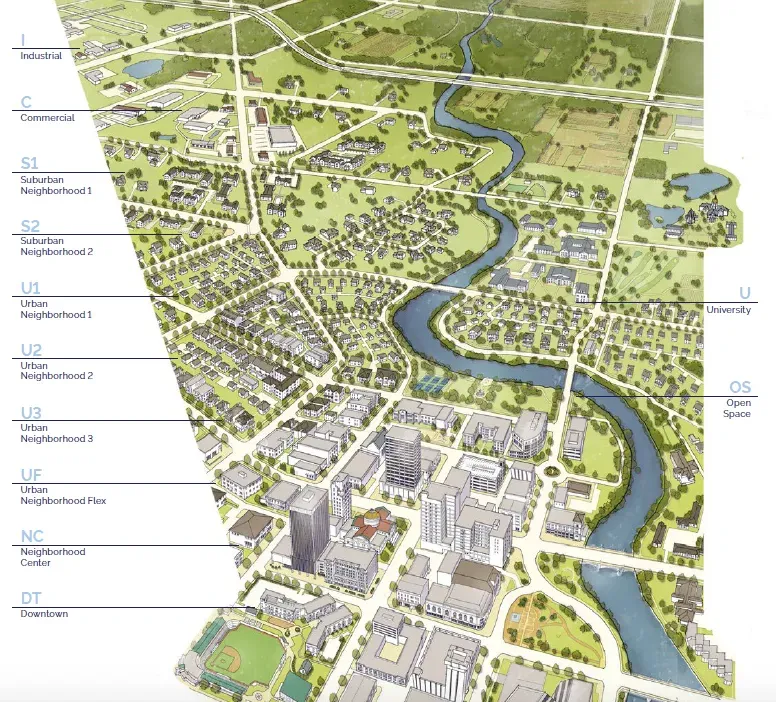
Where to Begin: Growth Patterns and Open Space
One practical starting point is defining how and where the region grows.
Recent debates over industrial development show the need for greater predictability, especially near the edges of Sioux Falls.
A useful tool here is the urban transect, which maps development intensity from rural and natural areas at the edge to the urban core at the center.
This creates clarity:
- Where suburban growth should occur
- Where rural character should be preserved
- Where conflicts are most likely to arise
It also reveals opportunity.
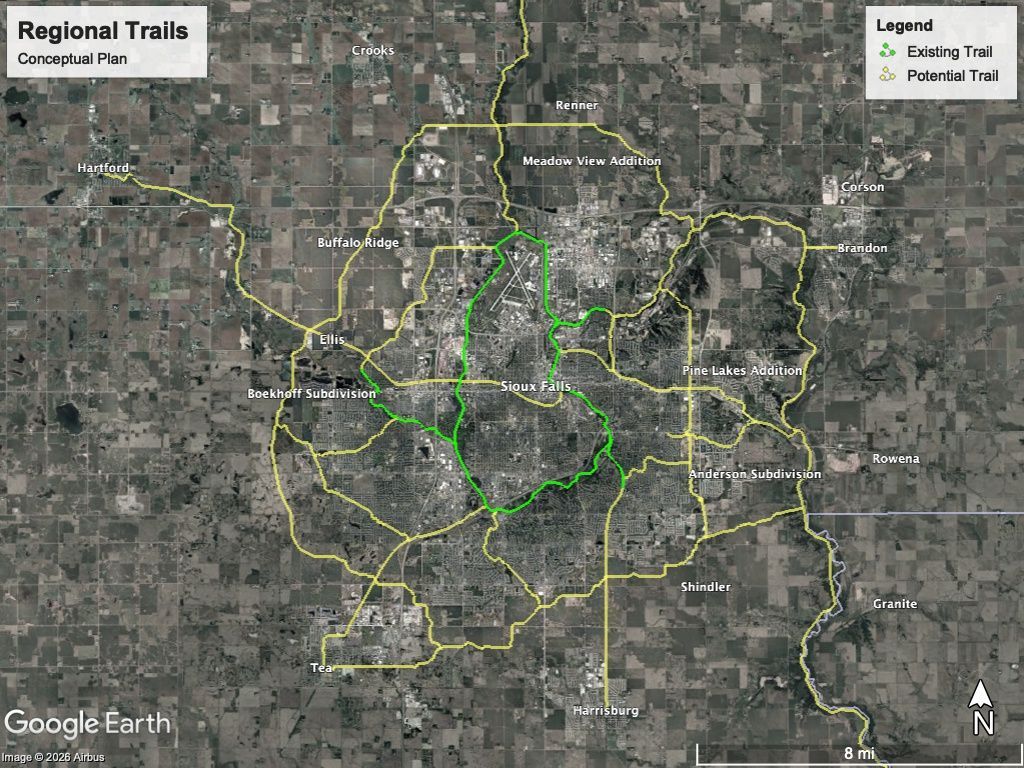
By coordinating early, we can begin to create a regional trail network that:
- Preserves open space
- Expands access to recreation
- Creates a natural growth boundary over time
This kind of planning only works if we act before land is fully developed.
The Cost of Doing Nothing
All of this ties back to one unavoidable reality: growth has a price.
Every new subdivision requires:
- Streets to build, maintain, repair, and eventually reconstruct
- Extended water and sewer systems
- Expanded police, fire, and emergency services
- New parks and public facilities
These aren’t one-time expenses. They are long-term obligations carried by taxpayers.
Without a smarter approach, those costs will continue to rise.
A Smarter Way to Grow
Sioux Falls is at a crossroads.
We can continue expanding outward without a clear strategy and accept higher costs and increasing strain on city services.
Or, we can take a more intentional approach:
- Strong leadership
- Proactive neighborhood planning
- Modernized zoning
- Coordinated regional growth
Smart Growth isn’t about limiting opportunity—it’s about sustaining it.
It creates a more efficient development pattern, lowers infrastructure costs, and improves service delivery while preserving the quality of life that makes Sioux Falls strong.
And in the long run, it ensures that growth continues to work for us, not against us.