

SNOWBOARDING, RISK ASSESSMENT & ACHIEVING WHAT'S POSSSIBLE
The Mountain—Undefeated
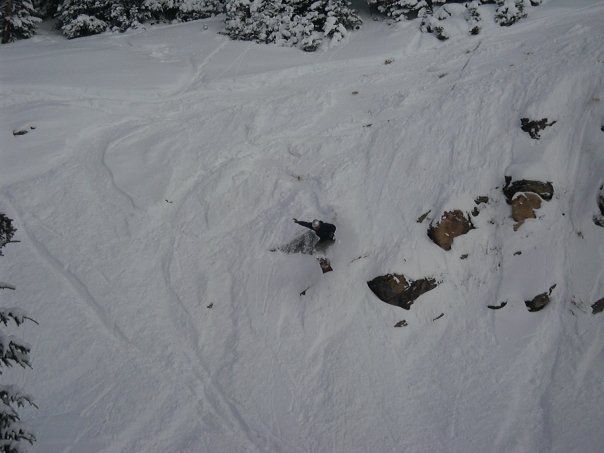
Halfway down the north ridge of Bridger Bowl, I found myself in waist-deep snow above what looked like a 200-foot cliff, hanging on for dear life. If I fell, a rescue team would be digging me out—best case scenario.
This wasn’t the kind of terrain where you fall and pop back up. This was serious terrain.
How did I manage to do this to myself?
From Great Bear to the Rockies
I grew up skiing at Great Bear and had spent hundreds of days in the Rockies by the time I marooned myself above a cliff in Montana. I was an advanced skier…but eventually I got bored. I needed a new challenge, so I switched to snowboarding in 1994.
A year later came one of those legendary El Niño winters—snowstorm after snowstorm, from October into April. It was paradise.
Deep powder feels like levitation. Low-altitude flying. Effortless. Quiet. Surreal.
But it also punishes hesitation. Slow down, and you get stuck. Get stuck, and you’re suddenly fighting your way out of snow so deep, it might as well be quicksand.
The Path Not Taken
The ridge at Bridger Bowl isn’t casual terrain. You hike it. You bring avalanche gear. You respect it.
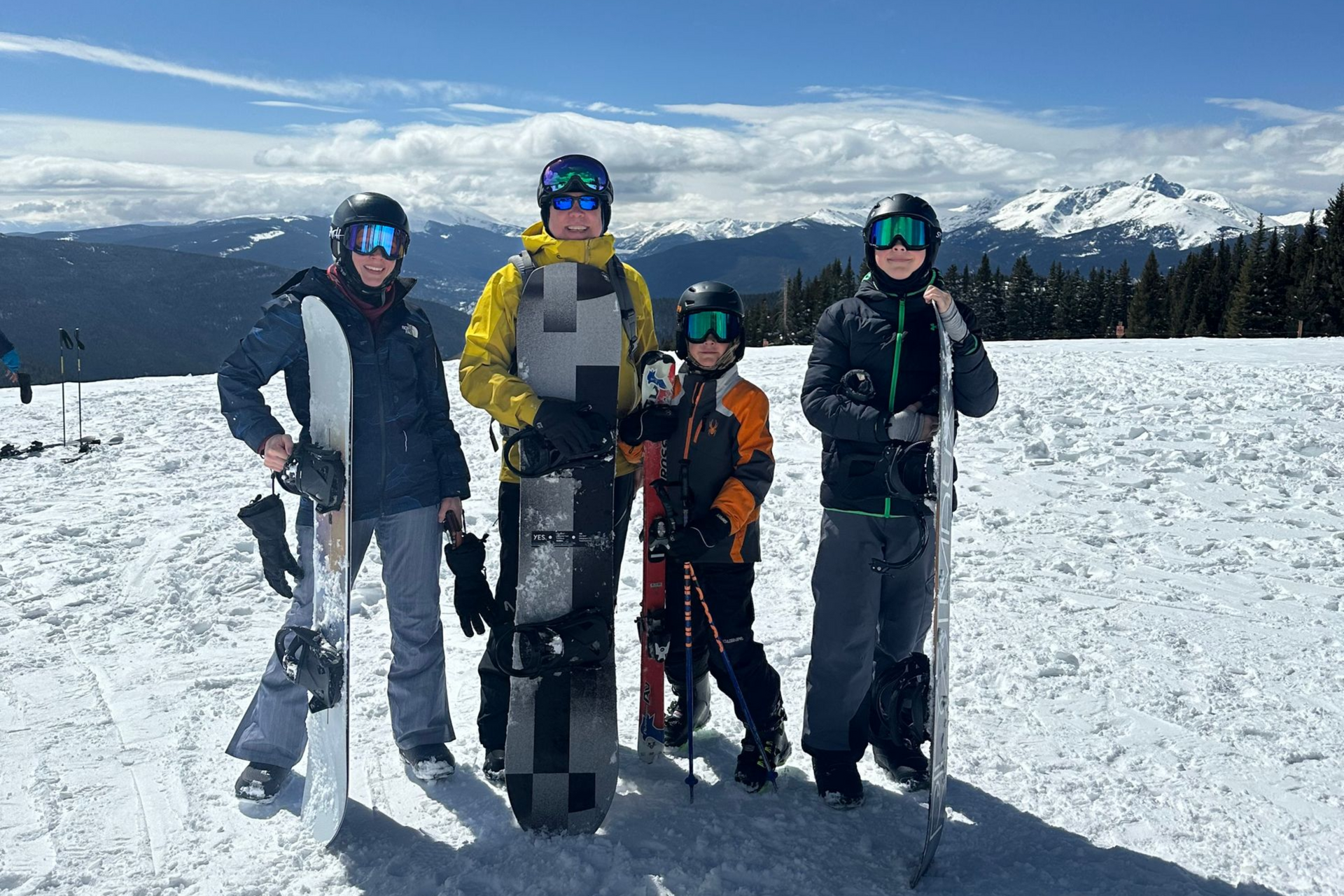
I was with friends who were expert skiers and knew the mountain well. I wasn’t. I was new to snowboarding, trying to keep up in unfamiliar terrain—not a great combination.
We summited, strapped in, and started traversing north along the ridge. Gravity pulled me lower than I wanted to be, and the only way back was to unstrap and hike uphill through deep snow.
No thanks.
“CAN I GO DOWN THIS WAY?” I yelled to my friend Tyler.
“I THINK SO. JUST DON’T GO TOO FAR LEFT,” he shouted back.
The snow was soft, untouched, and calling my name.
That should have been a warning sign.
“Over My Ski Tips”
The farther I dropped in, the steeper it became. Soon I was staring down at the tops of trees, perched above a massive cliff on the steepest terrain I’d ever been on.
Skiers far below looked like ants.
After a few deep breaths, I spotted something that looked like hope—a narrow river of snow cutting across the slope from my right that might lead to safer ground.
The problem? I was stuck to the face of the mountain with gravity begging me to make the wrong move.
Exit Strategy
So I did the only thing I could.
I turned toward the mountain. It was so steep, it was as if I put my face up to a wall. I dug my arms into the snow, and inched sideways. A few inches at a time. Over and over.
Eventually, I reached a narrow chute—barely two feet wide—that emptied into another drop. This one was about thirty feet instead of hundreds, and below it flowed that snow “river” I’d been aiming for.
There was no easing into it.
I pointed downhill, committed, and launched.
I flew off the edge, cratered into the chute below, and—miraculously—rode out into safety.
I was lucky. I knew it. And I knew I never wanted to put myself in that situation again.
My Teacher, The Mountain
Big mountain snowboarding is everything at once—beauty, exhilaration, danger, and discovery.
You push yourself because that’s how you grow.
You fall.
You learn.
You gain confidence.
And eventually, you learn to assess risk calmly instead of reacting emotionally.
Leadership—Between Extremes
You can play it safe and stay on groomed runs. But meaningful progress happens when fears are faced and we learn from our challenges.
Push too far with no regard for the consequences and you can put projects and resources at risk, or worse yet, people.
Real leadership lives between those extremes:
- Bold enough to move forward
- Disciplined enough to respect the terrain
- Calm enough to make decisions under pressure
Pressing Forward for DTSF
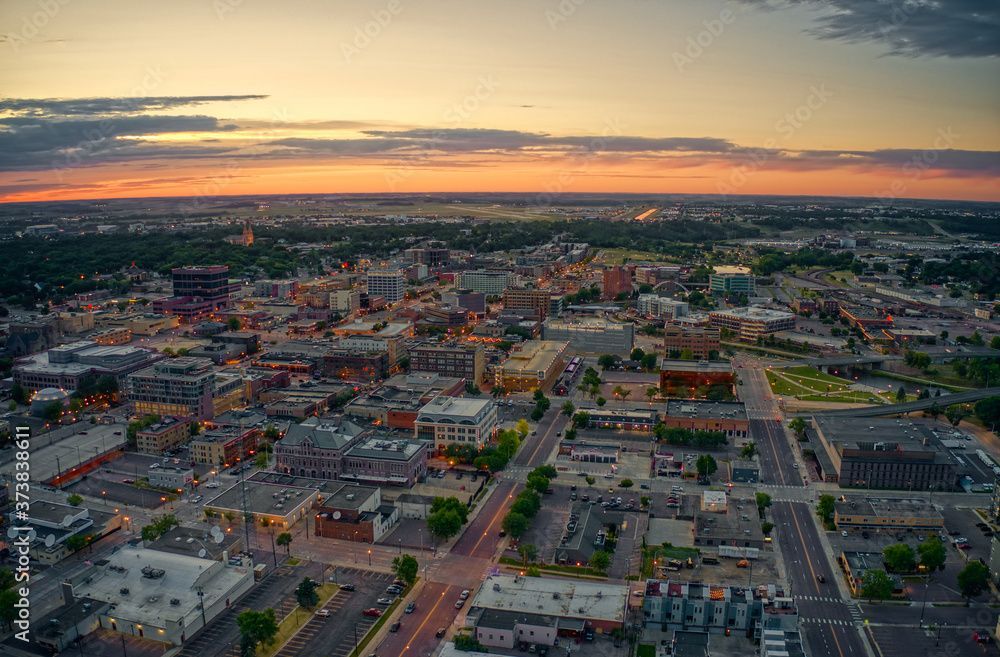
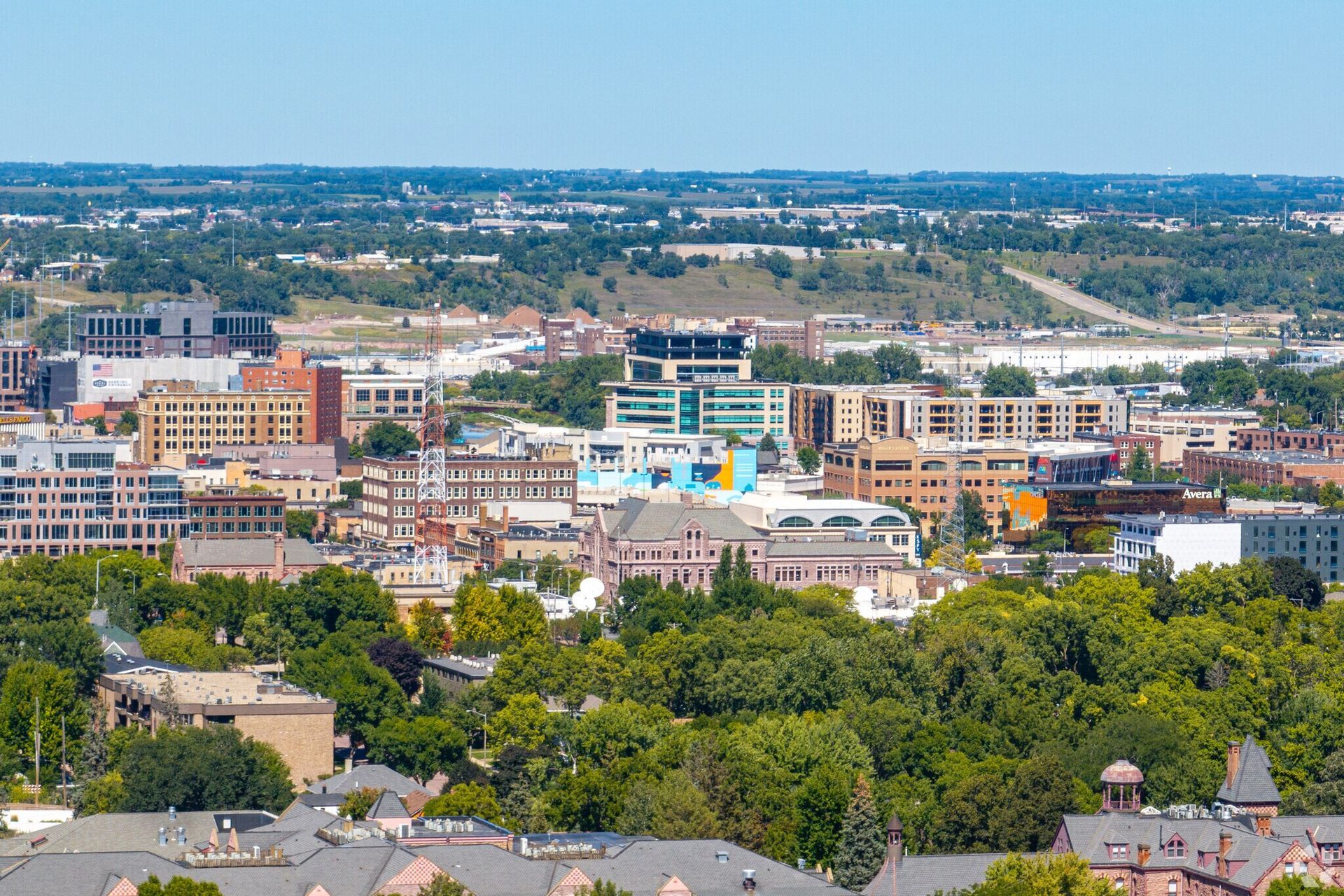
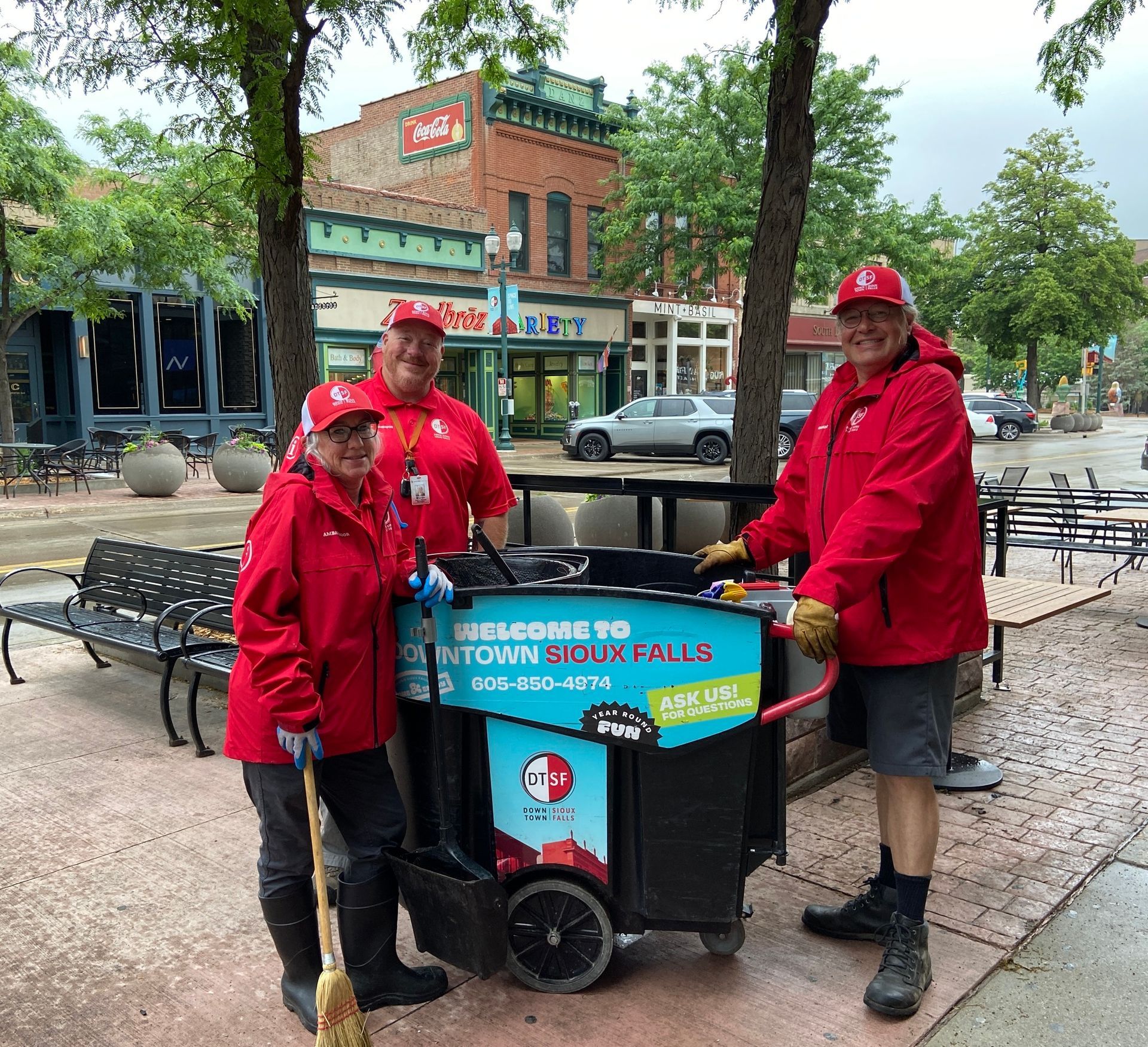
That mindset guided me through renewing the Downtown BID, which led to launching the Downtown Ambassador Program.
It took:
- Years of outreach,
- Uncomfortable conversations,
- Asking major property owners to embrace risk,
- And trusting that the outcome would be worth it.
There were safer options—delay, do less, maintain the status quo.
But progress doesn’t come from standing still.
Thankfully, our downtown stakeholders understood the vision. Today, I don’t think many would want to imagine downtown Sioux Falls without the Ambassador Program.
The Lesson I Carry Forward
That day at Bridger Bowl taught me something I’ve carried ever since:
When the terrain is steep and the stakes are high, the answer isn’t to freeze or to charge ahead blindly.
It’s to breathe.
Assess.
Choose a line.
And move forward with courage and care.
Risk isn’t something to avoid.
It’s something to understand, respect, and navigate.
And when you do, what once felt impossible suddenly becomes achievable.
Because whether on a mountain or in a community, progress belongs to those willing to move forward with courage.